Texas Hold'em
Deal the river, manage blinds, and outplay AI sharks in a feature-rich Texas Hold'em simulation that lives in your browser.
Gameplay overview
Authentic poker flow
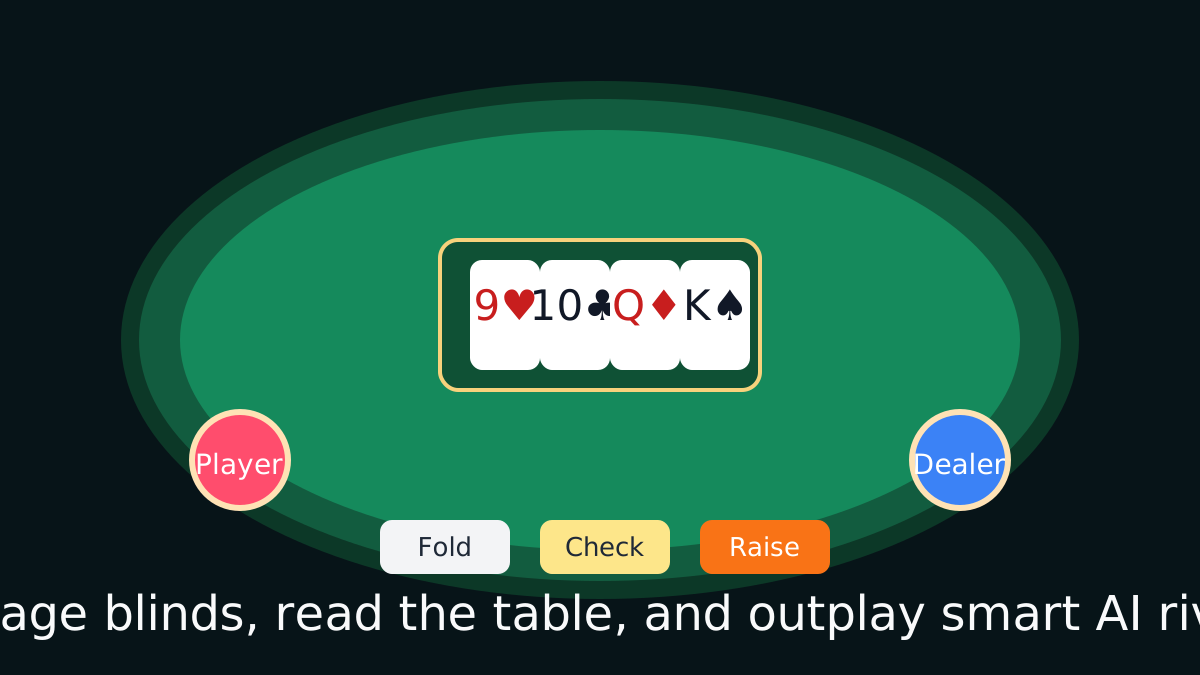
This Texas Hold'em build recreates pre-flop through showdown with smooth chip animations, pot handling, and hand evaluation. Two hole cards, up to five community cards, and standard betting phases keep rounds familiar while the in-house poker engine sorts winners, splits pots, and updates bankrolls automatically.
Your objective
What you are trying to achieve
This Texas Hold'em build is a practice table, so the goal is to win chips from the AI seats by making better pre-flop and post-flop decisions. You are dealt two hole cards, five community cards arrive across the flop, turn, and river, and the best five-card hand takes the pot.
A session is open-ended: your bankroll rises or falls hand by hand, and you can adjust blinds and stacks from the menu to simulate short-handed or tournament pressure. Winning the most chips and keeping your stack alive is the measure of a good run.
Controls
Core actions
- Tap on-screen buttons to fold, check, call, bet, or raise. Slider controls appear when adjustable bet sizes are available.
- Hover or tap tooltips to review hand rankings and current pot odds.
- Use the settings icon to tweak blinds, AI seats, or reset the table.
The layout is optimised for mouse and touch, so you can play equally well on desktops, tablets, or large phones.
Beginner guide
Your first few minutes
With loose AI opponents, the fastest way to win is to start tight and bet your strong hands.
- Use the on-screen buttons to fold, check, call, bet, or raise; a slider appears when you can size your bet.
- Play fewer hands than you think you should, because AI opponents call loosely and premium starting hands are where your edge comes from.
- Watch your position before the flop and raise with strong holdings rather than limping in.
- Hover or tap the tooltips to check hand rankings and pot odds whenever you are unsure.
- Use the settings icon to lower the blinds while you are learning, or raise them to practise short-stack pressure.
- Read the activity log to spot how each AI seat has been betting before you commit chips.
Advanced tips
Beat the bots
- Start tight: AI opponents call loose pre-flop. Punish them with premium hands and position-aware raises.
- Use chip lead to pressure: adjustable raise sizes let you size bets to threaten shorter stacks and steal blinds.
- Watch the log: the activity feed surfaces folds, calls, and showdowns so you can spot exploitable patterns.
Key features
Configurable setup
Adjust seat count, starting bankrolls, and blind levels from the options menu. The game saves your preferred structure so you can revisit short-handed drills or longer tournaments on demand.
AI rivals
Computer opponents track pot odds, fold equity, and simple heuristics to pressure your stack. Expect varied betting patterns that escalate as blinds rise, keeping casual sessions engaging without scripting every move.
Session tracking
Your chip totals, hand outcomes, and bankroll changes persist through multiple hands. Use the data to practise bankroll management, shove/fold ranges, or simply chase a high score.
Our take
Why this Texas Hold'em feels satisfying to learn on
The Bocaletto Luca implementation leans into clarity and flow. Animations for dealing, betting, and pot collection are quick enough that multiple hands fly by in a short session, which is exactly what you want when you’re training decision-making rather than admiring elaborate chip stacks. Because the AI doesn’t try to mimic human tells and table talk, you can focus on fundamentals—starting hand selection, position, and bet sizing—without distractions.
Being able to adjust blinds and starting stacks from the menu quietly turns it into a flexible training lab. You can simulate short-stack tournament pressure by cranking blinds up, or practise deep-stack cash-game ranges with slower increments. That control, combined with a simple rules reference, makes it easy to recommend to new players who want a safe place to misplay hands before sitting down at a real table.
Who will enjoy it?
- This version is ideal for learners, home-game organisers, and developers curious about the guts of a browser poker engine. If you’re looking for a polished online casino or human-versus-human ladder, you’ll want a different client, but as a sandbox for exploring Hold'em concepts at your own pace, it does the job very well.
Frequently asked questions
Need a quick answer?
- How do you play Texas Hold'em?
- You are dealt two hole cards and share five community cards with the AI seats. Bet through the flop, turn, and river, then show down the best five-card hand to win the pot.
- What is the goal in Texas Hold'em?
- Win chips from the AI opponents and grow your bankroll hand by hand. You can customise blinds and stacks to practise short-handed or tournament-style play.
- What are the controls for Texas Hold'em?
- Tap the on-screen buttons to fold, check, call, bet, or raise, with a slider for adjustable bet sizes. Tooltips explain hand rankings and pot odds.
- Is Texas Hold'em free to play?
- Yes, this browser build is free and does not require an account or download.
- Is Texas Hold'em multiplayer?
- No, this version pits you against multiple AI seats, so it is a single-player practice table rather than an online game.
- Does Texas Hold'em save your progress?
- Your chip totals, hand outcomes, and bankroll changes persist through multiple hands, so you can track how a session is going over time.
- What are the best tips for Texas Hold'em?
- Start tight against loose AI callers, use position before the flop, size raises to pressure short stacks, and check the activity log for exploitable patterns.
- Does the game follow traditional Hold'em rules?
- Yes. It supports blinds, flop-turn-river reveals, side pots, and hand ranking tiebreakers just like a live table.
- Can I run it offline?
- Clone the GitHub repository, open index.html through a local web server, and the game plays without additional setup.